How to Start a Podcast: The Hudson Valley Guide
The practical version: costs, equipment, recording, launch, and growth. From the team behind 10+ Hudson Valley shows.
Starting a podcast in 2026 is easier than it has ever been, and standing out is harder. The difference between shows that fade after four episodes and shows that build a real audience usually isn't talent. It's a handful of decisions made before the first recording, and the discipline to keep publishing after the excitement wears off.
This guide walks through those decisions in order. It's the same conversation we have with every new host who walks into our Newburgh studio for a tour, whether they end up recording with us or in their spare bedroom.
Six Steps From Idea to Published Show
Pick a concept people actually want
Start with one sentence: “My show helps [who] with [what].” If you can't fill in both blanks, keep sharpening. The most listenable shows are specific: not “business talk” but “conversations with Hudson Valley founders about their first year.” Specific shows get recommended, searched for, and remembered.
Choose your format and cadence
Interview, solo commentary, co-hosted conversation, or narrative storytelling: each has different prep and editing demands. Then pick a schedule you can hold for six months. A weekly show that ships every week beats a daily show that burns out by episode nine.
Decide: build a home setup or book a studio
A respectable home audio setup runs a few hundred dollars; add decent video and lighting and you're typically $1,500 to $3,000 in, before you learn to run it all. A professional studio flips that equation: you pay per session and the mics, cameras, lighting, and engineer are already dialed in. Many hosts start in a studio, learn what they like, and decide later whether home gear is worth it.
Record your first episodes in a batch
Block one session and record two or three episodes back to back. You'll warm up fast, your launch library builds itself, and per-episode costs drop. Come with bullet points instead of scripts. The best episodes sound like a great conversation, not a read-aloud.
Edit until it respects the listener
Editing is where good shows are made: trimming tangents, balancing levels, cleaning noise, and tightening the first five minutes, because that's where listeners decide. Done yourself, expect three to five hours per hour of audio. Done professionally, it comes back finished. Our standard turnaround is two weeks or less.
Launch properly, then grow on purpose
You'll need cover art, a hosting feed submitted to Spotify and Apple, and ideally a landing page and social profiles ready on day one. After launch, short clips are the growth engine. One strong 60-second moment can bring more new listeners than the full episode. Post consistently, swap guest appearances with other shows, and give every episode a reason to be shared.
Rather have us map this out for you?
Answer four quick questions and we'll tell you exactly where to start.
Take the Mini QuizWhat Starting a Podcast Really Costs
Two honest paths. Plenty of great shows use each, and plenty use both. See the full studio vs. home comparison.
Home Setup
Upfront investment, ongoing time cost
- Decent mic + interface: $300 to $700
- Camera, lighting & backdrop for video: $800 to $2,000+
- Acoustic treatment: $100 to $500
- Your time: setup, troubleshooting, and 3 to 5 hrs of editing per episode
HV Podcasting Studio
Pay per session, everything handled
- $250 per episode: 1-hour session, editing included
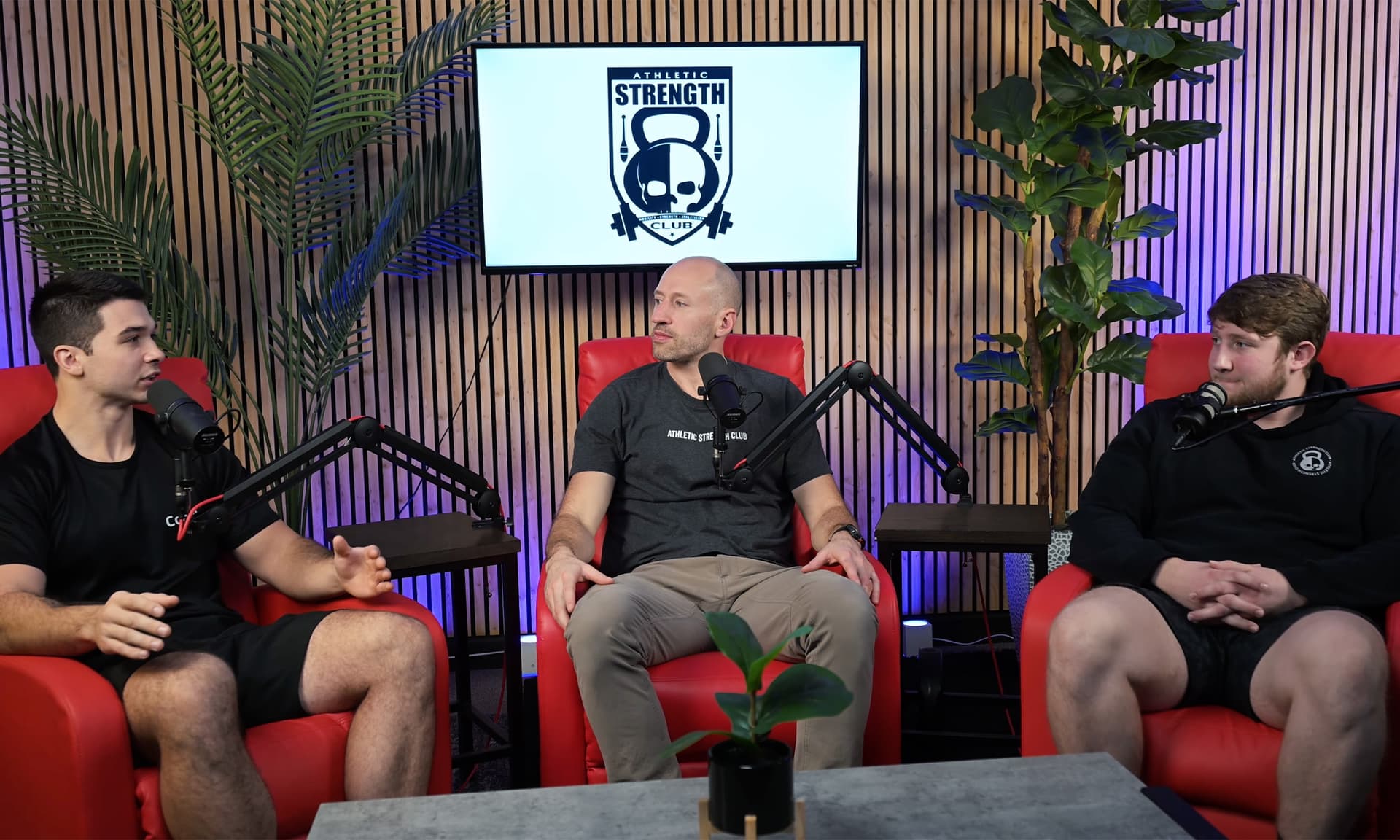
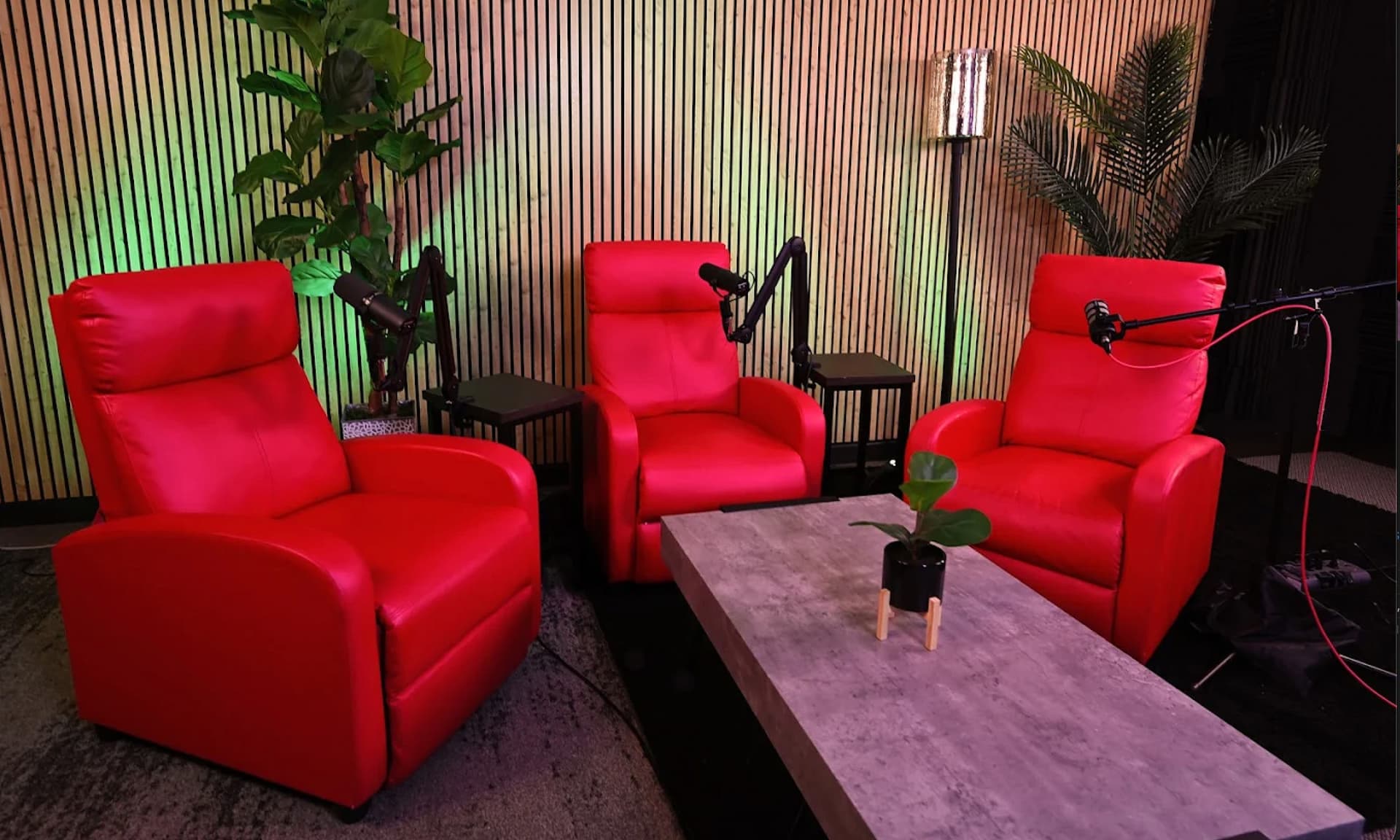
- Shure SM7B mics, 3-angle 4K video, pro lighting
- Engineer on-site, so you just show up and talk
- 10-episode season: $2,250 with one episode free
Starting brand new? Our $499 Pod Launch package covers the animated intro, landing page, and platform profiles so launch day is a checklist, not a scramble. For the full money picture, see what a podcast really costs in 2026.
Why the Hudson Valley Is a Great Place to Podcast
Local shows have an unfair advantage: community. A podcast about Hudson Valley food, real estate, veterans, wellness, or small business taps an audience that national shows can't serve, and local guests say yes far more often than celebrities do.
We've watched it happen from inside the studio. The shows recorded here span leadership, beauty, veterans' stories, and community kindness, and the hosts routinely become better known in their fields because the show exists.
Starting-Out Questions, Answered
The questions every new podcaster asks before episode one.
How long should a podcast episode be?
How many episodes should I launch with?
Do I need video for my podcast?
How do podcasts make money?
How often should I publish podcast episodes?
Ready to elevate your podcast?
Book a free 30-minute studio tour and consultation, or take the quiz to find your perfect package.
Prefer to talk it through? Call (845) 978-9617